The homes scattered throughout West Hempstead tell the story of Long Island's residential development over the past century, with many of the older Tudor-style colonials and mid-century ranch homes built during the postwar building boom now relying on original or aging chimney systems. These chimneys, some installed fifty or sixty years ago, have weathered countless Northeast winters, summer thunderstorms, and the salt-laden humidity that comes with proximity to the Atlantic Ocean and Jamaica Bay. If your chimney cap hasn't been inspected or replaced in recent memory, there's a strong chance it's either deteriorating or missing entirely—a seemingly small oversight that can trigger serious damage inside your home, including water intrusion, rot, and the need for costly repairs down the line.
West Hempstead residents who heat with oil, as many of the neighborhood's older homes do, depend on properly functioning flue systems to safely vent combustion byproducts. When a chimney cap fails or is absent, water penetrates the flue, moisture accumulates inside the chimney structure, and the integrity of your entire venting system is compromised. At DME Maintenance, we've been serving West Hempstead homeowners and families throughout Nassau County, NY since 2001, and replacing deteriorated or missing chimney caps ranks among our most frequently requested services—not because we advertise it aggressively, but because the damage homeowners discover when they finally address this problem makes them wish they'd acted sooner.
Water damage stands as the primary culprit behind costly chimney repairs, and in West Hempstead, where seasonal rain, nor'easters, and humidity levels remain elevated due to our location on Long Island's south shore, this threat is particularly acute. Rain that enters an unprotected flue doesn't simply drain away; it absorbs into the brick and mortar structure, migrates downward through the chimney walls, and eventually finds its way into the attic, interior walls, and sometimes even into the rooms below. Over time, this moisture weakens the mortar joints that hold your chimney together, accelerates deterioration of the brick itself, and creates ideal conditions for mold growth—a health concern that extends far beyond the chimney itself.
Homes in West Hempstead that have experienced water damage from a missing or failed chimney cap often show signs months or even years after the initial water entry, because the damage builds slowly and silently within the structure. You might notice water stains on the ceiling near the roof line, a musty odor in the attic during humid months, or deteriorating plaster on the interior wall where the chimney runs. The mineral deposits and white mineral staining—that white, powdery substance, that appears on the exterior of your chimney is another telltale sign that water has been penetrating the structure. When West Hempstead homeowners finally address the root cause by installing a proper chimney cap, they're often surprised by how much additional damage inspection reveals.
This is why a functional chimney cap isn't just a preventive measure; it's insurance against the kind of structural damage that grows harder and costlier to fix the longer you wait.
Beyond water, a missing or damaged chimney cap opens your flue to an astonishing range of unwanted intruders and debris. Birds—particularly starlings, which are common throughout West Hempstead and the surrounding Nassau County neighborhoods—will nest inside an unprotected chimney, constructing stick-and-twig structures that completely block the flue and create fire hazards. Raccoons, squirrels, and even bats have been known to enter chimneys without caps, either seeking shelter or becoming trapped after accidental entry. The resulting animal odor, feces accumulation, and potential for disease transmission affects not just your chimney but the air quality throughout your home.
Beyond living intruders, seasonal debris presents a constant problem for West Hempstead properties: leaves accumulate in the flue during autumn, pine needles gather year-round in our tree-lined neighborhoods, and small branches break off during the winter winds that sweep across Long Island from the Atlantic. During heavy rainstorms or nor'easters, weather patterns that strike our area regularly, this accumulated debris traps moisture and prevents proper drainage from the flue. We've cleared chimneys in West Hempstead homes where the flue was nearly 80 percent blocked by debris, a situation that drastically reduces heating efficiency and creates genuine safety concerns.
A properly functioning chimney cap with appropriate mesh screening excludes all of these problems simultaneously, which is why residents of West Hempstead who've experienced even minor pest issues in their chimneys become vocal advocates for cap replacement. The reassurance that comes from knowing your chimney is sealed against animals, birds, leaves, and the worst weather the Long Island seasons can throw at it is genuinely important.
Wind damage and storm-related cap failures have become increasingly common across West Hempstead and the broader Nassau County, NY area, particularly as extreme weather events have grown more frequent and intense. A chimney cap that has been in place for two or three decades, or one that was installed improperly from the beginning, becomes increasingly brittle and vulnerable to wind damage. Nor'easters that move up the Atlantic coast directly impact our south shore communities, and the combination of wind, precipitation, and temperature swings can strip away the protective coating on an aging cap, cause fasteners to loosen, or in severe cases, blow the cap completely off the chimney. When this happens, you've basically returned your chimney to the worst-case scenario: a wide-open flue exposed to everything.
We receive a significant portion of our chimney cap replacement calls in West Hempstead during the weeks following major storms, when homeowners finally inspect their roofs and discover damage they hadn't noticed. If your home in West Hempstead has survived multiple winters with an aging or partially damaged cap, you're basically gambling that the next storm won't be the one that removes it entirely or compromises its seal. Spring brings heavy rains, summer can feature severe thunderstorms with high winds, and fall and winter present the compound threat of freeze-thaw cycles that damage materials and powerful coastal storms.
Homes in West Hempstead situated closer to the water or in more exposed locations face heightened risk, but every property benefits from a sturdy, properly installed chimney cap rated to withstand the specific wind and weather challenges of our region.
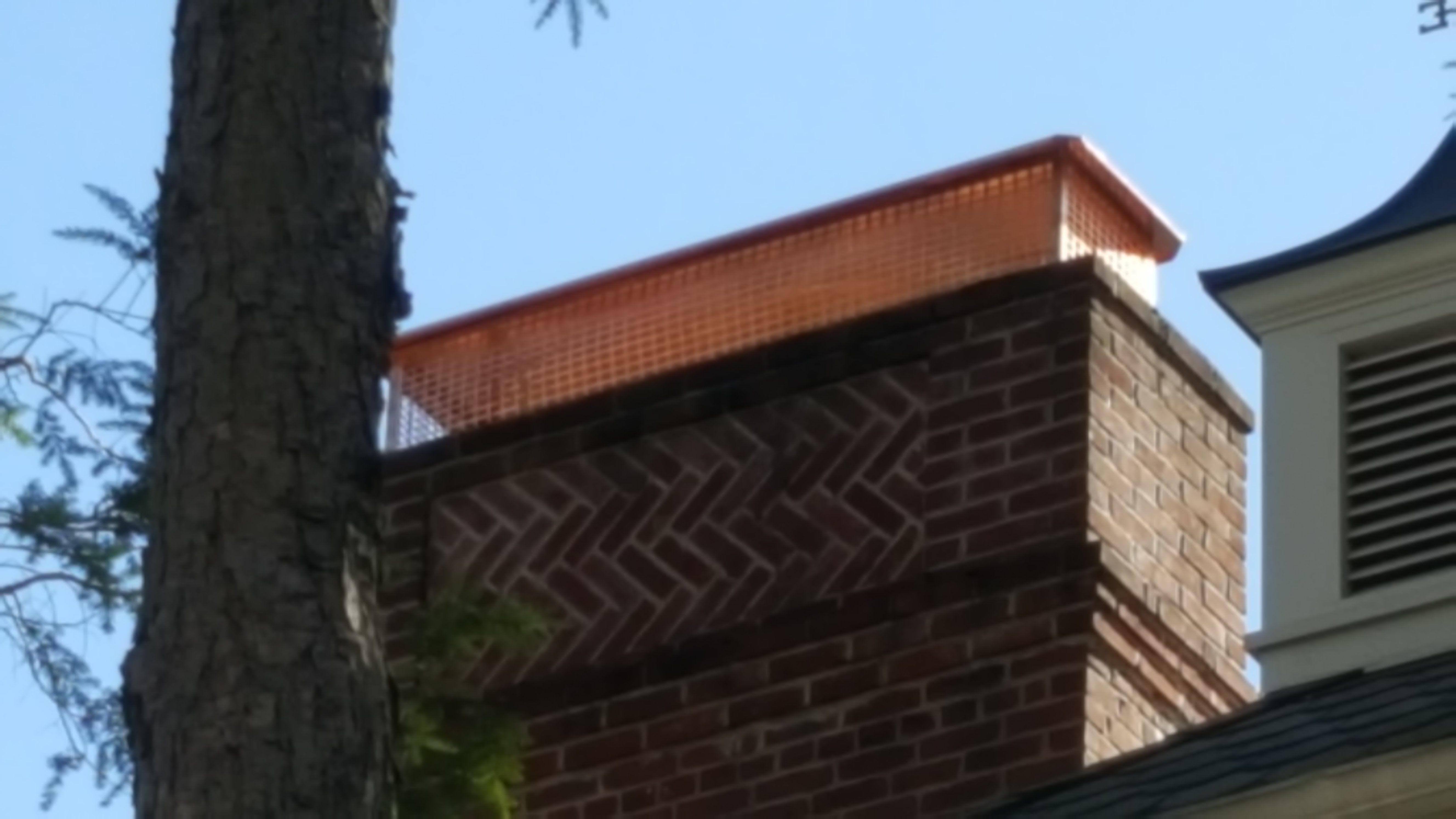
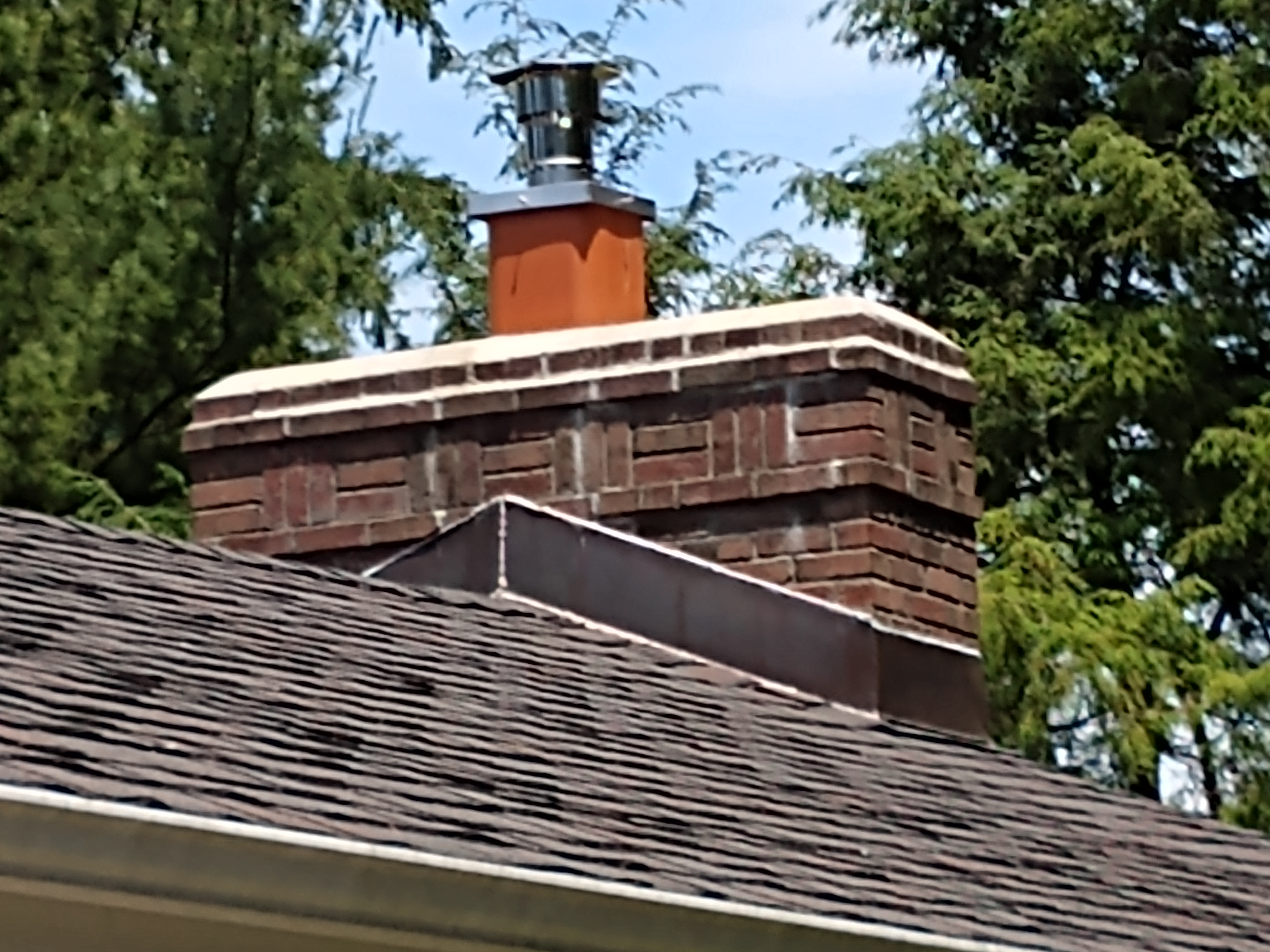
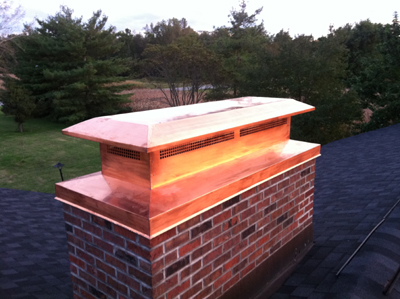
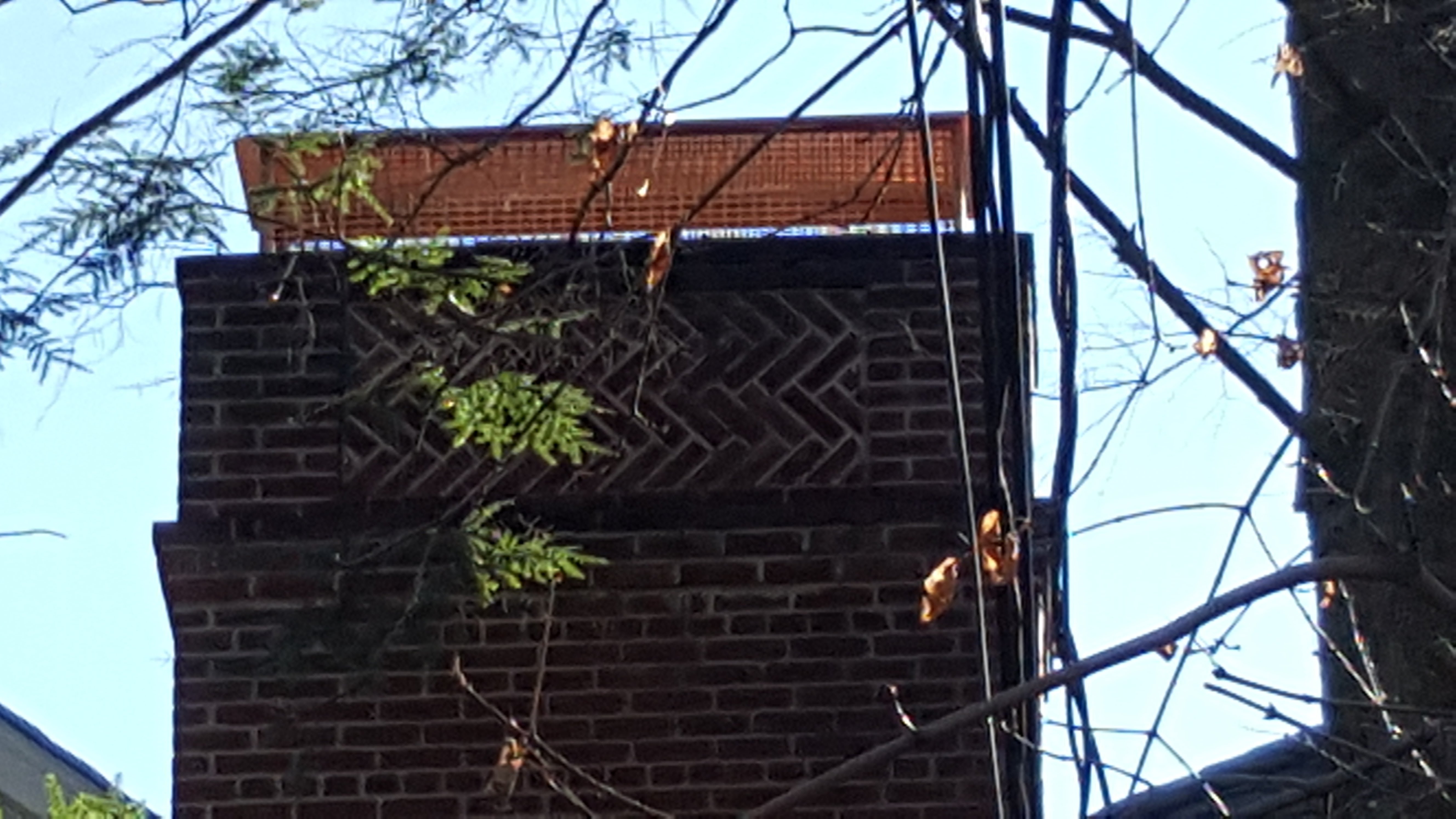
The specific design and material of your chimney cap matters significantly, and this is where professional guidance becomes important. A chimney cap isn't simply a flat screen or grate; a properly engineered cap includes sloped design to shed water away from the flue opening, appropriate spark arrestor mesh to prevent embers from escaping while still allowing adequate airflow, proper support structure that's securely fastened to the chimney crown or chase, and materials chosen to resist corrosion in this environment. West Hempstead properties, especially those near Jamaica Bay, the Atlantic shoreline, or the various inlets and waterways in our area, experience accelerated corrosion from wind-driven moisture and temperature swings, which means standard steel caps deteriorate far more quickly here than in inland locations. Stainless steel liners and caps are a better choice for homes in these zones.
Stainless steel or copper options significantly outperform basic galvanized caps, and understanding these distinctions is critical for getting true value from your investment. Some chimney caps are designed for masonry chimneys, while others work better on metal flues or prefabricated fireplace systems—and West Hempstead homeowners shouldn't assume that a cap that worked fine on a neighbor's home will be equally suitable for their own property. We've encountered numerous situations where a previous homeowner or contractor installed an undersized, oversized, or otherwise unsuitable cap that compromised both performance and aesthetic appearance. The relationship between your chimney's dimensions, your heating system's venting requirements, and your cap's design specifications is more sophisticated than casual inspection reveals, which is precisely why professional assessment and installation matters.
DME Maintenance serves every street in West Hempstead. We have been cleaning chimneys on Long Island long enough to know exactly what local homes need — from older clay-lined flues in pre-war houses to modern stainless steel liner systems in newer construction.
Douglas Eberling has installed and replaced countless chimney caps throughout West Hempstead and surrounding areas, giving us deep familiarity with the specific housing stock, weather patterns, and venting system configurations that characterize West Hempstead properties.
If you're a homeowner in West Hempstead and you haven't given your chimney cap serious thought recently, today is an ideal time to arrange a professional inspection—not someday, not next season, but while the weather is stable and your schedule is flexible. Whether you're noticing visible damage to an existing cap, you've never confirmed whether your chimney has one at all, or you simply want to eliminate water damage and pest entry as potential concerns, a straightforward inspection provides clarity. The longer an improperly protected chimney goes without attention, the more insidious the damage becomes, and the more involved the repairs become. West Hempstead residents who prioritize this often-overlooked detail avoid the significant problems that other homeowners discover too late. Contact DME Maintenance today at 516-690-7471 to schedule your chimney cap evaluation and get expert guidance built for your specific home and situation.