
As fall arrives on Long Island, homeowners in West Hempstead face a critical decision: prepare their heating systems now, or deal with uncomfortable drafts and rising energy bills all winter. If you own one of the older homes that characterize West Hempstead's residential environment, your chimney damper likely plays a bigger role in your comfort than you realize. A faulty or outdated damper can undo everything your furnace works to accomplish, allowing heated air to escape up the flue even when your fireplace sits dormant for months. DME Maintenance has been helping West Hempstead residents and Nassau County homeowners address exactly this problem since 2001.
The majority of homes on Long Island were built with throat dampers, which sit just above the firebox opening. These dampers slide horizontally and seal the flue from below. While they serve a purpose, throat dampers face inherent design limitations. They rely on friction and gravity, which means they wear out, warp, and fail to close completely as time passes. Even a small gap—sometimes just a quarter inch—creates an open pathway for heated air to escape. When you're heating your home through fall and winter, that leak means your furnace runs longer and works harder to maintain temperature. West Hempstead homeowners often describe noticing cold drafts near the fireplace or feeling their heating bills spike without obvious reason.
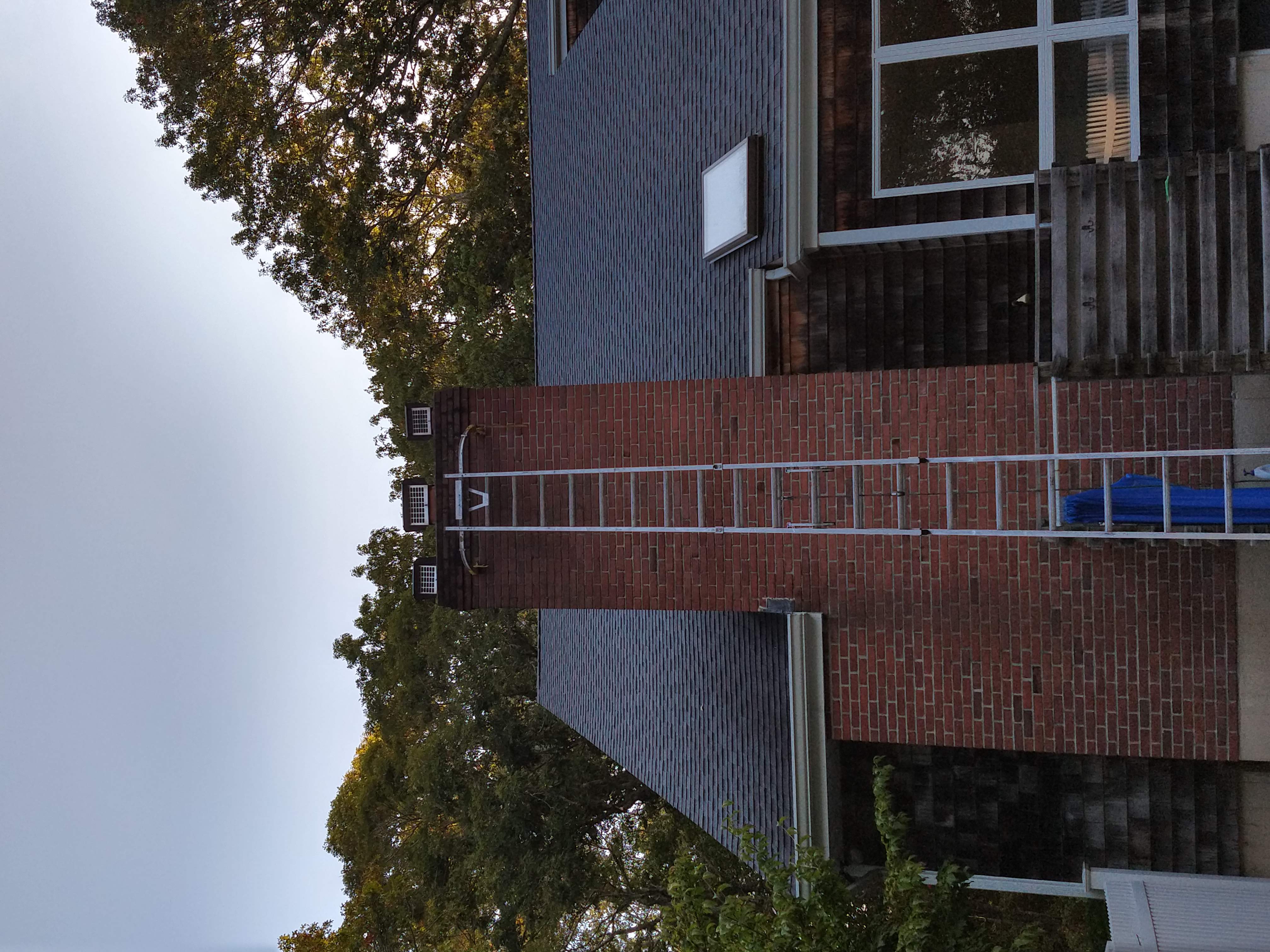
Top-sealing dampers operate on an entirely different principle. Instead of sealing from below, these dampers mount directly at the chimney's crown and close the flue opening at its highest point. Think of it like the difference between closing a door partway and closing a window completely. When a top-sealing damper closes, it creates a weather-tight seal that stops heat loss, stops cold air infiltration, and prevents rain, snow, and debris from entering your chimney system. The seal is mechanical and durable, not dependent on friction. This fundamental design difference explains why so many West Hempstead residents report immediate changes in comfort after installation.
Energy efficiency benefits show up fast on your heating bill. During the heating season, an ineffective throat damper can account for five to fifteen percent of your total heating loss, depending on your home's age and insulation condition. Many West Hempstead homes were built decades ago when energy efficiency standards were minimal, so baseline heat loss is already higher than modern construction. Adding a top-sealing damper to an older home is like plugging a leak in your basement—it's not glamorous, but the return is measurable. Oil heat dominates heating systems across Nassau County, and oil is expensive. Every percent of heating loss you eliminate translates directly to fuel savings month after month.
Drafts represent another compelling reason to upgrade before heating season peaks. A faulty throat damper doesn't just let heat out; it also creates conditions for reverse drafts, where cold outside air flows down the chimney into your living space. This is especially noticeable on windy days or when your furnace cycles on and off. Residents of West Hempstead describe this as feeling sudden chills near the fireplace or hearing whistling sounds in the chimney during windy weather. These drafts interfere with comfort and force your heating system to work overtime compensating for the temperature loss. A top-sealing damper eliminates this problem completely because the seal happens at the chimney's crown, above the influence of exterior wind and weather.
Installation timing matters because fall is your last window before heating season demands peak performance. Winter weather on Long Island can be harsh, with nor'easters, ice, and heavy snow putting extra strain on chimneys and their components. If you wait until December or January to address a failing damper, you're living through the worst months with a system that's working against you. West Hempstead homeowners who schedule damper replacement in September and October avoid that discomfort entirely. You also benefit from installer availability—fall is the busy season, but scheduling early ensures you get service when you need it most.
Understanding the difference between damper types helps you make the right choice for your specific situation. A throat damper might still be appropriate if your damper is relatively new and closes properly, though upgrading to a top-sealing design is almost always beneficial. If your throat damper is stuck, warped, or doesn't seal, replacement is overdue. Some homes might benefit from installing both types: a top-sealing damper for year-round protection and a throat damper that seals to maximize efficiency on the coldest days. DME Maintenance evaluates each home individually because West Hempstead properties vary in age, chimney condition, and heating system configuration. What works best depends on your specific setup.
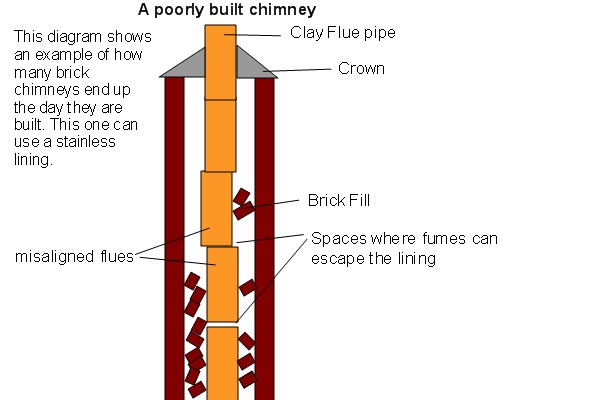
DME Maintenance serves every street in West Hempstead. We have been cleaning chimneys on Long Island long enough to know exactly what local homes need — from older clay-lined flues in pre-war houses to modern stainless steel liner systems in newer construction.
Your chimney is part of your home's protective envelope, just like your roof, walls, and foundation. When that envelope has gaps, your heating system compensates by working harder and longer. A top-sealing damper repair isn't optional maintenance you can postpone indefinitely; it's an investment that pays for itself through energy savings while dramatically improving comfort throughout the heating season. Homes in West Hempstead deserve heating systems that work efficiently, and a properly functioning chimney damper is important to achieving that goal. The best time to address this is now, before the weather turns cold and heating demands peak.
Contact DME Maintenance today at 516-690-7471 to schedule a chimney evaluation for your West Hempstead home. Douglas Eberling has served Nassau County homeowners for over two decades, and we understand the specific heating challenges that West Hempstead residents face. Call now to arrange your appointment before fall schedules fill completely. Don't let another winter pass with an inefficient damper costing you money and comfort.