West Hempstead sits on Long Island's North Shore in Nassau County, where freeze-thaw cycles and the region's typically older housing stock create conditions that age chimneys faster than homeowners often realize. Many of the homes in West Hempstead were built between the 1950s and 1980s, meaning the chimneys serving these residences have already weathered decades of exposure to the elements. At DME Maintenance, we've been serving West Hempstead homeowners and their chimney repair needs since 2001, and we've watched countless chimneys deteriorate from preventable issues that could have been caught and addressed with timely inspection and maintenance.
The reality is that a chimney isn't just a decorative feature on a West Hempstead roof—it's a critical structural component that protects your home from water intrusion, directs dangerous combustion byproducts safely away from your living spaces, and helps maintain the integrity of your roof and walls. When mortar joints begin to fail, when brick faces start to crack and spall, or when water finds its way into the masonry, these aren't cosmetic problems. They're warnings that your chimney's protective envelope is compromised, and every season that passes without repair allows water damage to spread deeper into your structure, potentially affecting the framing, insulation, and interior walls of your home.
The mortar joints that hold your chimney's brick and stone together are among the most critical—and most overlooked—elements of chimney health in West Hempstead. These joints aren't just there to stack brick neatly; they're actually softer than the brick itself by design, which means they sacrifice themselves to protect the harder masonry units from weather damage. Over time, especially in communities like West Hempstead where proximity to saltwater creates accelerated weathering, these mortar joints deteriorate through a process called "mortar migration." Wind and rain driven by nor'easters off the Atlantic gradually wash away the outer face of the mortar, and freeze-thaw cycles, common throughout Nassau County winters, force moisture deep into the joints where it expands and contracts with each temperature swing.
Once the mortar begins to recede, water finds pathways deeper into the chimney structure, where it can cause damage that's invisible from the outside but potentially catastrophic to your home's integrity. West Hempstead homeowners often don't realize their mortar joints need attention until they see obvious signs: visible gaps between bricks, mortar that crumbles when touched, or water stains appearing on interior chimney walls or adjacent walls inside the house. By that point, the problem has usually progressed beyond simple joint deterioration. The good news is that when caught early, mortar joint repair is straightforward and prevents the kind of cascading damage that turns a $2,000 repair into a $15,000 one.
This is why we recommend that every West Hempstead resident with an oil heat system and chimney, which includes the vast majority of Nassau County homes, have their chimney inspected at least annually.
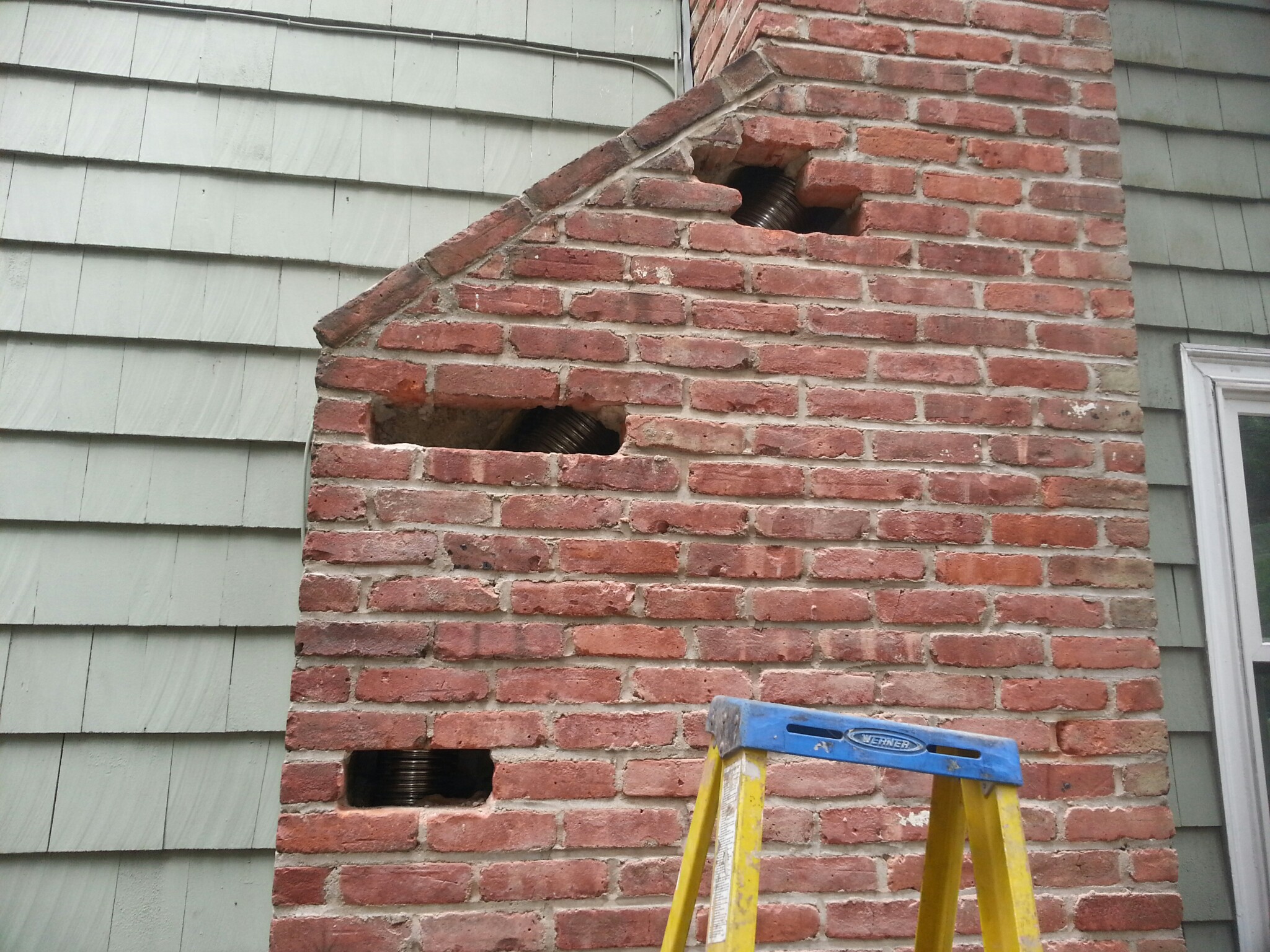
Brick damage in West Hempstead chimneys comes in several forms, and not all of it is equally obvious or equally urgent, but it all deserves professional attention. Spalling—the process where the face of a brick breaks away and flakes off—is extremely common in our area due to the salt-laden air that drifts inland from the bays and inlets surrounding West Hempstead. Salt crystals form within the brick's porous surface, and as these crystals expand and agreement with temperature changes, they slowly fracture the brick from within. You might notice small chips at first, then larger sections of brick face deteriorating, and eventually structural bricks becoming weakened enough to allow water penetration.
Vertical cracks running through bricks are another concern; these often indicate that the chimney has settled unevenly or is experiencing structural stress from the weight of the masonry above. Horizontal cracks are even more worrying, as they suggest that water has frozen inside the brick and is exerting pressure from within. All of these brick damage patterns allow water to infiltrate deeper into your chimney structure, where it reaches the flue liner, the interior framing of your home, and the materials surrounding your chimney.
In West Hempstead, where many homes sit relatively close together and share walls or have chimneys positioned near interior spaces, water intrusion from brick damage doesn't just affect the chimney itself, it can lead to mold growth, structural rot, and damage to interior walls and ceilings that requires major work to fix. The brick that was carefully laid decades ago to vent your oil heating system safely now becomes a risk if left unrepaired. That's why we inspect not just the mortar joints but every visible brick on every West Hempstead chimney we service, looking for the early signs of spalling, cracking, and deterioration that homeowners might miss.
Water intrusion is perhaps the most insidious chimney problem affecting West Hempstead homes, and it's the issue that drives more emergency calls to DME Maintenance than any other single factor. Water doesn't need a large opening to cause serious damage; even moisture that enters through hairline cracks, deteriorated mortar joints, or damaged chimney crowns can slowly saturate the masonry and the materials around it. In West Hempstead, chimneys face constant exposure to moisture throughout the year. Rain driven horizontally by storms penetrates deeper than people expect. Melting snow and ice create water that sits on the chimney crown and slowly seeps through any weak point. Temperature swings between freezing and thawing cycles further stress the masonry and accelerate deterioration.
Ground-level moisture wicks upward through the foundation and into the lower portions of the chimney. Interior condensation forms when warm, moist air from your home meets the cold outer surfaces of the flue during heating season. Each of these water pathways can cause damage that accumulates year after year, often invisibly, until West Hempstead homeowners suddenly notice water stains on ceilings, smell musty odors near the chimney, or see paint peeling from interior walls. By that time, the water damage extends well beyond the chimney itself.
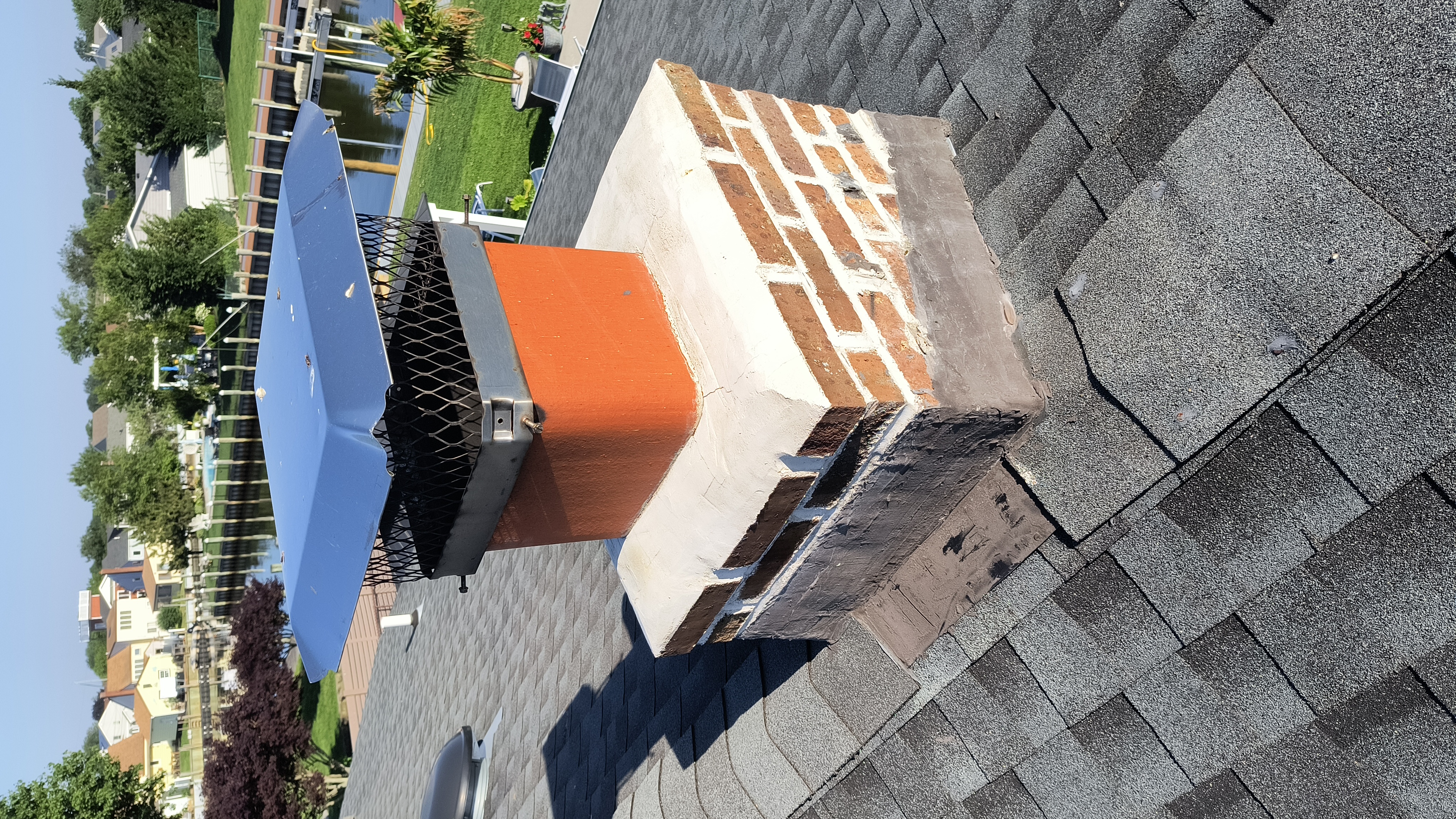
We've seen cases where water intrusion originating at a failed chimney crown or damaged mortar joints eventually affected the attic framing, caused mold to develop inside walls, or led to structural damage that required not just chimney repair but significant reconstruction of surrounding home components. The preventive approach—regular inspection, prompt repair of any damage, and maintenance of the chimney crown and flashing—costs far less than dealing with the consequences of water intrusion in a West Hempstead home.
Structural integrity might sound like an abstract concern, but for West Hempstead homeowners, it's the real-world consequence of neglecting chimney repairs over time. Your chimney is a freestanding structure that rises from your foundation through your roof, and it bears its own weight plus the weight of any cap, crown, and weathering apparatus you've installed on top. That structural integrity depends on sound masonry, properly mortared joints, adequate flashing where the chimney intersects your roof, and a foundation that hasn't shifted or settled unevenly. In West Hempstead, where homes were built at different times and on varying soil conditions—some closer to water tables, some in areas with clay soils that shift seasonally—chimneys sometimes develop structural issues that go beyond simple brick or mortar repair.
A chimney that's leaning, even slightly, suggests foundation movement or structural stress. A chimney where mortar joints are receding faster on one side than the other might indicate water damage that's weakening the structure unevenly. Cracks that follow a stair-step pattern through the bricks often signal structural movement, not just surface deterioration. These aren't problems you can ignore and hope they'll stabilize; structural issues in chimneys tend to worsen over time as water and weather continue their work. A chimney that was perfectly sound ten years ago might now be at risk, especially if it's been subjected to years of freeze-thaw cycles and water intrusion. That's why inspection matters so much for West Hempstead residents.
DME Maintenance serves every street in West Hempstead. We have been cleaning chimneys on Long Island long enough to know exactly what local homes need — from older clay-lined flues in pre-war houses to modern stainless steel liner systems in newer construction.
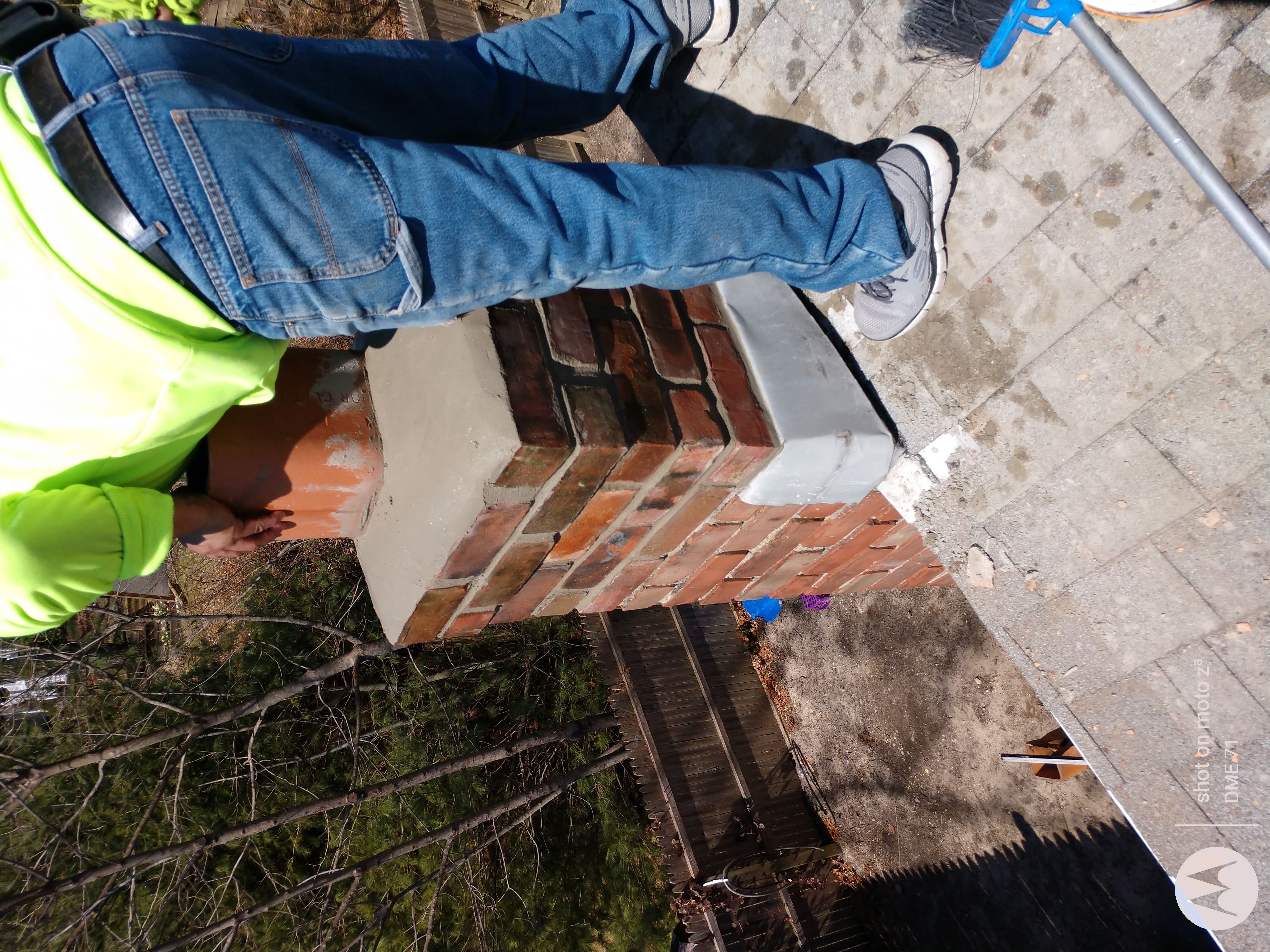
DME Maintenance has the experience to distinguish between cosmetic brick deterioration and underlying structural concerns that demand immediate attention. We look at your entire chimney system, the brick and mortar on the exterior, the crown condition, the flashing integration, the interior flue condition, and the surrounding roof framing, to give you an honest assessment of what needs repair now versus what might be approaching problems in the future.
If you live in West Hempstead or the surrounding Nassau County communities, your chimney is working year-round to manage the combustion byproducts from your heating system and to keep water and weather out of your home. That's a critical job, and it requires a chimney that's in good repair. Whether you've noticed visible damage, spotted water stains, experienced draft problems, or you simply haven't had your chimney inspected in years, now is the time to reach out. At DME Maintenance, we've been helping West Hempstead homeowners maintain safe, functional chimneys since 2001. Call us today at 516-690-7471 to schedule an inspection and get a professional assessment of your chimney's condition. The longer you wait, the more damage weather and water can cause. Don't let a small, repairable problem become a structural crisis that threatens your home's safety and value.